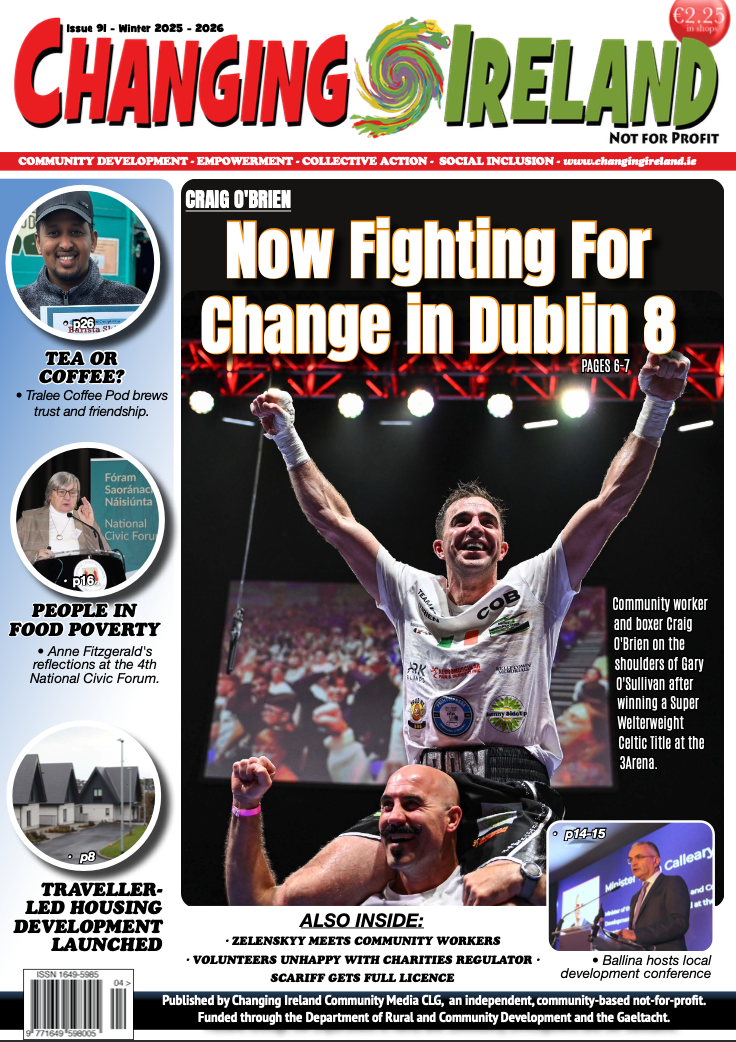

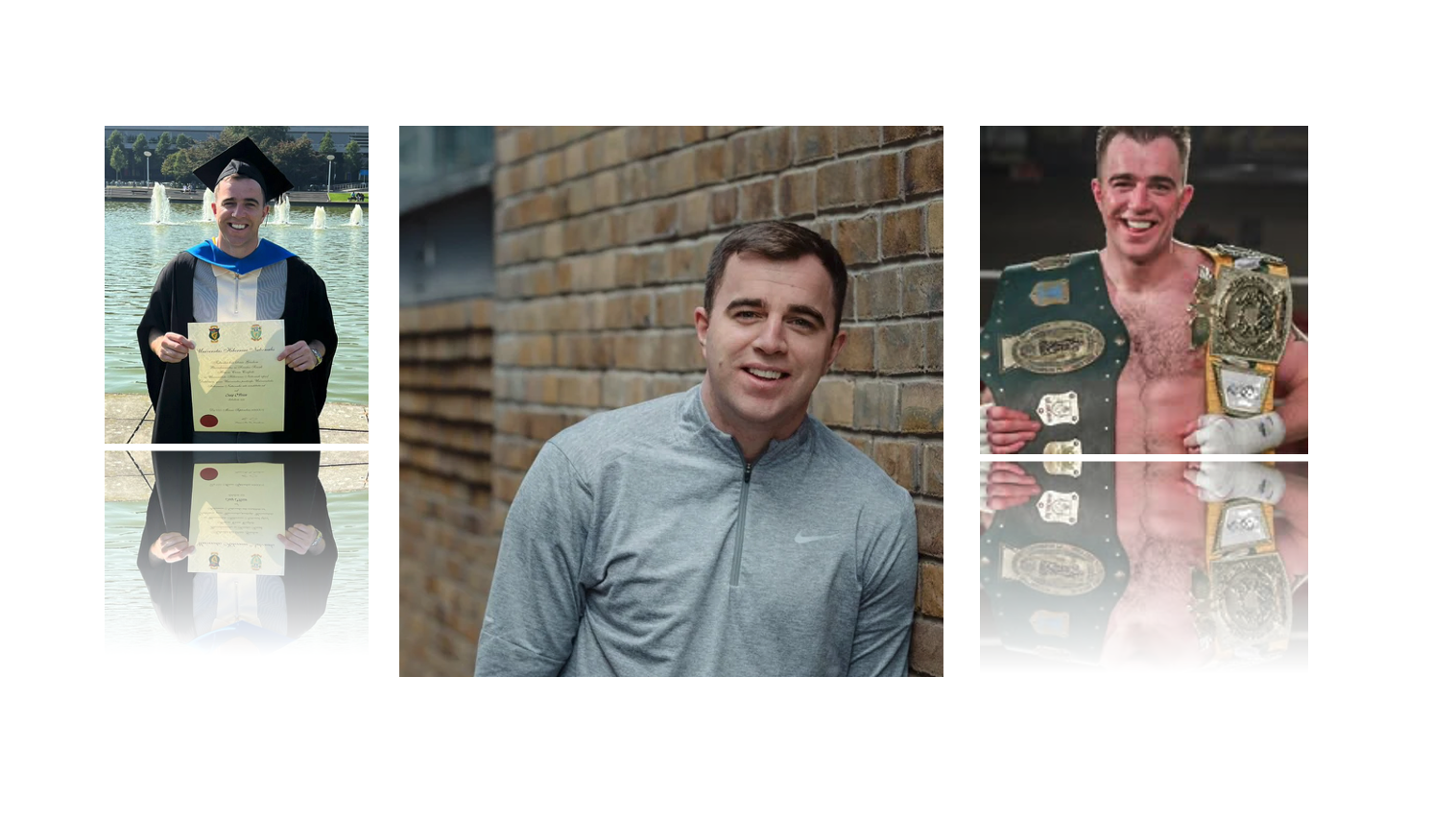
“We’re based in Dublin 8, on the south side of the city,” he says of Solas, an organisation that began in 1998 with a single volunteer giving an afterschool service for local children.
Around its catchment area the aftershocks of the heroin epidemic of the 90s are still felt and Solas is helping with the fallout a generation later.
“I’m in the TRY team, that stands for Targeted Response with Youths. We first started in 2017. There was a lot of addiction. Heroin had been a massive issue. People had kids in that time, and a lot of young people had been just left to roam the streets, causing havoc and anti-social behaviour,” he said.
Putting 18-26 year olds on a different path
Eight years ago the response was far less well-resourced than it is today.
“The TRY team started with one worker for eight hours a week and it just grew from that. At the moment there are four full time workers. In 2022 we merged with the Solas Project, under the Justice Department, because the funding was coming from there, and we became one big team.”
While Solas works with children who would still be in national school, its TRY team is for those aged around 18 to 26, many of whom are involved in low level crime, and the aim is to put those young people on a different path.
“A lot of them would be involved in the drug scene and what we do is go out there and build relationships where they’re at. It might be in the flat complex, we go in have a chat, build a relationship. There might be open dealing going on while we’re there, but because they’re not referred and they don’t just show up at our door, that’s where we build the relationships. That’s where the work gets done.”
Small things can be important to young people
When they do start to build a connection with the young people, Craig and his colleagues often help them to do small things in life that are important to them.
“Off the back of that, when we build the relationship they might want a piece of work done, that could be a CV, it could be a theory test, it could be job applications, it could be making a doctor’s appointment. They could be in court and they get involved in programmes, we give them a letter to say they’re attending. It’s right across the board.”
Programmes are run that reflect the young people’s interests, and hopefully give them an outlet away from the pitfalls that are all around them on the streets outside their homes.
Fighting for Change programme
One programme that Craig runs reflects his own passion, boxing, which played a huge role in his journey away from addiction and towards education and work.
“I run the Fighting for Change programme, which runs for six to eight weeks each year. Each week there’s a boxing session and you’ll bring in a person who has faced adversity in their life. We’ve brought in Thomas Carthy (Dublin boxer), Kiefer Crosby (MMA fighter), Willa White (comedian), we’ve brought in people who have been in the Paralympics. They all tell their story about facing adversity and coming out the other side of it.”
Much of the programme takes place at Paschal Collin’s Celtic Warrior Gym, with part of the idea being to broaden the horizons of the young people, who often have little life experience.
“It’s taking them out of that environment into new surroundings, letting them meet new people, see new faces. All they know sometimes is the one or two mile area that they live in.”
People with lived experience
Growing up and as a young man Craig saw very similar problems to those the young people he now works with are facing, and it obviously gives him an advantage in the role.
“I’m 35 now, that was me ten or 15 years ago. I was one of those young people in the flats. There are one or two of the older ones in the flat complex who would know me. A lot of them would know my boxing background, so it is so much easier for me to build a relationship with them. There’s young people who have been in the same situation as I was in.
“People with lived experience are probably best placed for this sort of work, if that makes sense. Obviously you need your education, but I tend to build the relationships so much quicker with the young people.”
Addiction hid barriers
Craig says he had to come out of addiction himself before he really understood the barriers that were in the path of himself and those who grew up around him, and he says those in Dublin 8 also have to negotiate the same kind of issues.
“I didn’t know until I went to college that we grew up in poverty. Our area is disadvantaged. In Dublin 8 it’s a lot similar, they only know what they’ve grown up in. Not many of them venture outside of the area they were born in. They’re caught up in the same things. They don’t have positive role models if that makes sense, they’re not seeing the wider picture of what work does and what it gives you.”
Drugs trade is “alarmingly professional”
He says that the local drugs trade works in an alarmingly professional way, and that many of those who he encounters are very capable, but their potential is being put into the wrong avenue.
“They have shifts in there, the way they work is like an enterprise. These young fellas are very clever, but it’s about taking them out of that environment.”
And sometimes those who have the potential to leave it, and who may even be on the brink of doing so, fall at some of the final fences.
“I had a young person five months ago, good brain in his head, he started his own clothing brand, he had a load of clothes coming that he was after getting made abroad. He was still dabbling a bit, getting a few quid here and there.
“I left him one evening and two hours later he was caught up in an incident, he went through someone’s house after being told there was money there or something like that. It’s like a business the way they structure things there, and he went and did something for a few quid, got arrested. He’s now in custody.”
“It is hard to take them out of the environment. You get some bits of work done, but they tend to fall back into what they know.
“I go and visit him now in prison. I’ve a great relationship with him. He was literally at the turning point, on the cusp of turning and at the last minute, he fell back involved.”
Solidarity run for one young person
He says it is important to take pleasure in “little wins” and the fight always continues.
“We had a young person who was going through psychosis a couple of months ago. He got to be 100 days sober, we got him into Aiséirí down in Tipperary, he did six weeks down there, he came out and we gave him a load of support. He was 100 days sober two weeks ago, we did 100km of a run between us for him. But at the moment you can see him falling back into the trap, which is hard. But we can only do what we can do. We can only put it in front of them and support them.”
At the moment he is working with another young man, a keen boxer, and Craig feels his own example does show him the possibilities.
The young man is training twice a day and is making progress, although Craig knows his transition isn’t complete.
“He probably hasn’t fully come away from it. He’d probably go in to the flats now at 4pm, whereas when I met him first he was there full time. Eventually I built a relationship with him, we got him back training, I was going to Crumlin Boxing Club with him most mornings. On the back of that he has done his theory test, he has done college courses. Like me he was in an amateur boxing club when he was a kid but fell out of it, and my background sort of gives him the belief that he can do it.”
Craig’s redemption
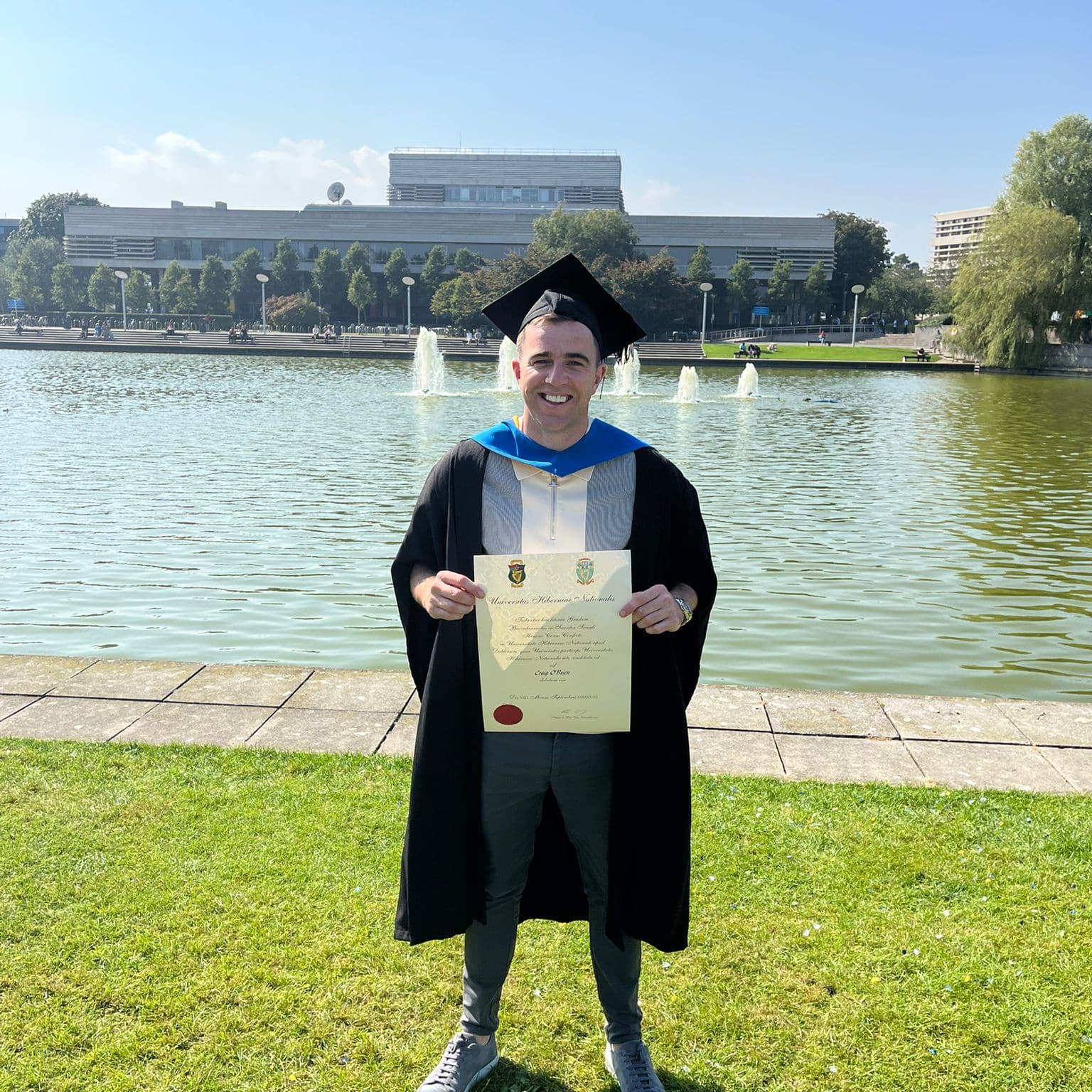
His own redemption came after spending time in prison and in addiction as a young adult, before he returned to education and ended up a graduate of UCD, with experience and training to make a valuable contribution to society.
“I didn’t anticipate going to college and qualifying after four years. I didn’t set off that way. I had my own background of being caught up in addiction, I had my cousin Wayne who passed away through alcohol in 2018. My brother was on hard drugs, but he’s sober since November of last year, he’s out running, he’s doing jobs and all, it’s amazing.
“A friend of mine had started the TRY project, and maybe I looked up to him a little bit, he was after doing a Level 5 in addiction studies for drugs and alcohol. Now I was after leaving school at 13, but this wasn’t a full on course, it was part time, you go up, you engage, learn about drugs, what it does to you, harm reduction, the wheel of change, how people go back into addiction. You learn about how your area might be perceived by other places. It just opened my eyes.”
Sociology and policy
“I went and did the level five and on the back of that there was a diploma, I did well in that, started getting used to the assignments, started getting used to the education, started liking it. On the back of that there was an opportunity to go to UCD to do a degree in sociology.and social policy. There were four or five of us who went on and done it.
“While I was there they spoke about work experience. I contacted my friend who was in the TRY project. I had my background and a couple of them were into boxing, I did some padwork with them, I was getting to know them and know the area. I stayed doing the college work, doing the volunteer work a couple of hours a week. When I completed the degree there was an opportunity to start with the TRY team and that’s the way it went.”
Boxing requires “huge discipline and constant effort”
Of all sports, professional boxing requires huge discipline and constant effort, and those are traits that Craig feels helped him get out of the situation he was in when he was a poorly educated young man, who was just after coming out of prison and who had an addiction issue.
“I never knew where I was going to end up, but I was consistent. With the likes of the level five, I showed up and did it. The diploma, I showed up and did it. The degree, I got the bus over every day and did it in UCD. You just don’t know where you’ll end up. I’m sort of in a good position at the moment where I have options,” he said.
Craig O’Brien’s Boxing career
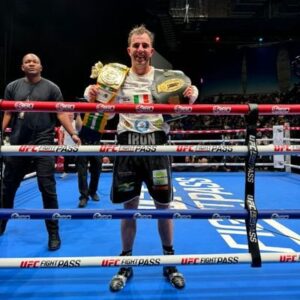
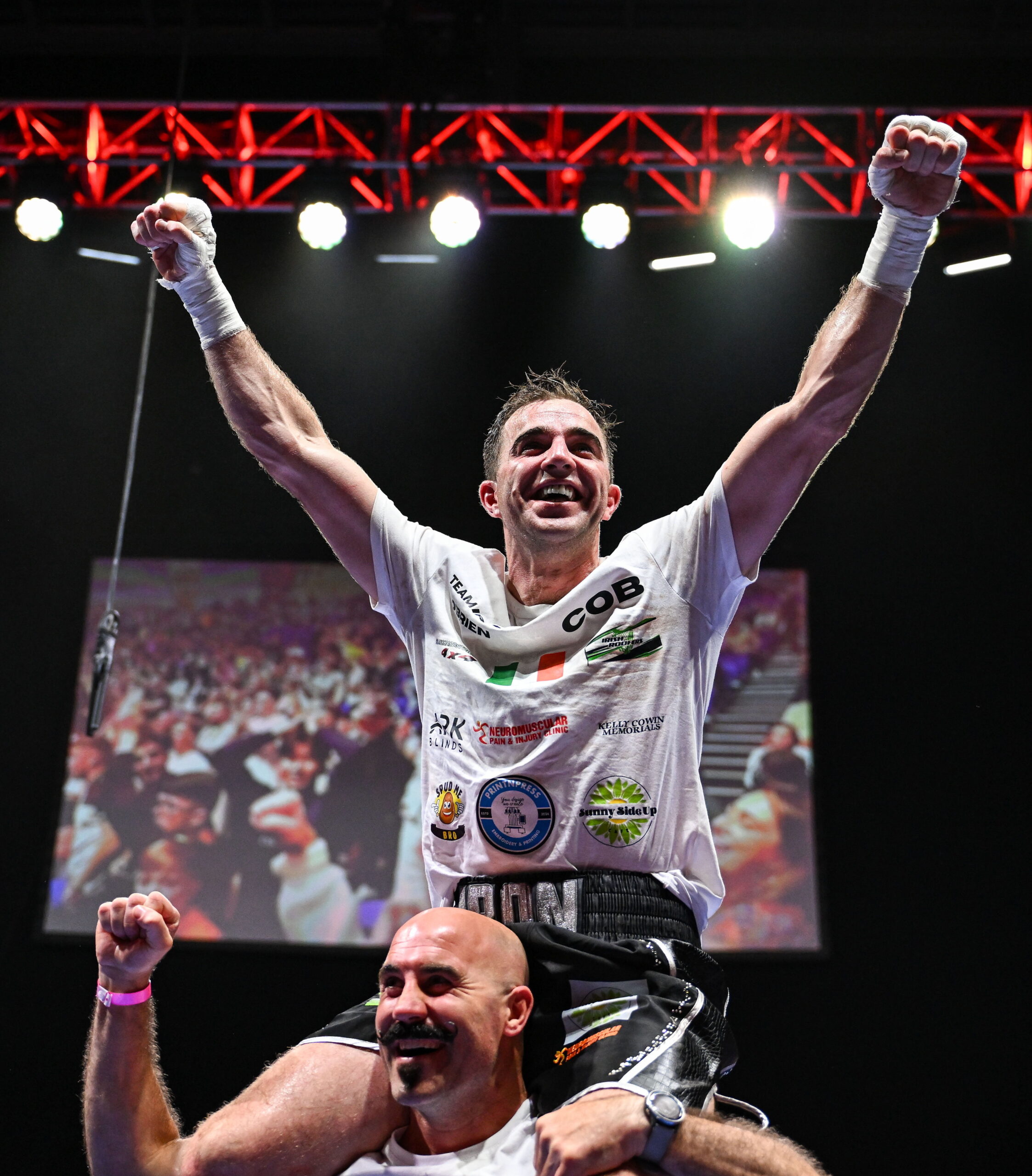
Dublin boxer Craig O’Brien has amassed a 15-3 record since turning professional in 2015, after having put a troubled early life behind him.
In 2017 he took the first belt of his career, winning the Boxing Union of Ireland Celtic Super Welterweight title against Alain Alfred.
The following year he defeated Jay Byrne, taking the Irish title in a Dublin derby at the National Stadium in a fight that was televised on TG4.
Also in 2018 he tasted his first defeat as a professional, losing out to the highly rated English fighter Anthony Fowler.
In 2024 he boxed on a Katie Taylor undercard and recorded a memorable victory against Edward Donovan at the 3Arena.
He was injured for much of 2025, but hopes to make a ring return in 2026. He is coached by Pascal Collins (a brother of former world middleweight champion Steve) who has also coached fighters such as Cork’s Gary ‘Spike’ O’Sullivan, Mayo’s Ray Moylette and Wexford’s Craig O’Brien.